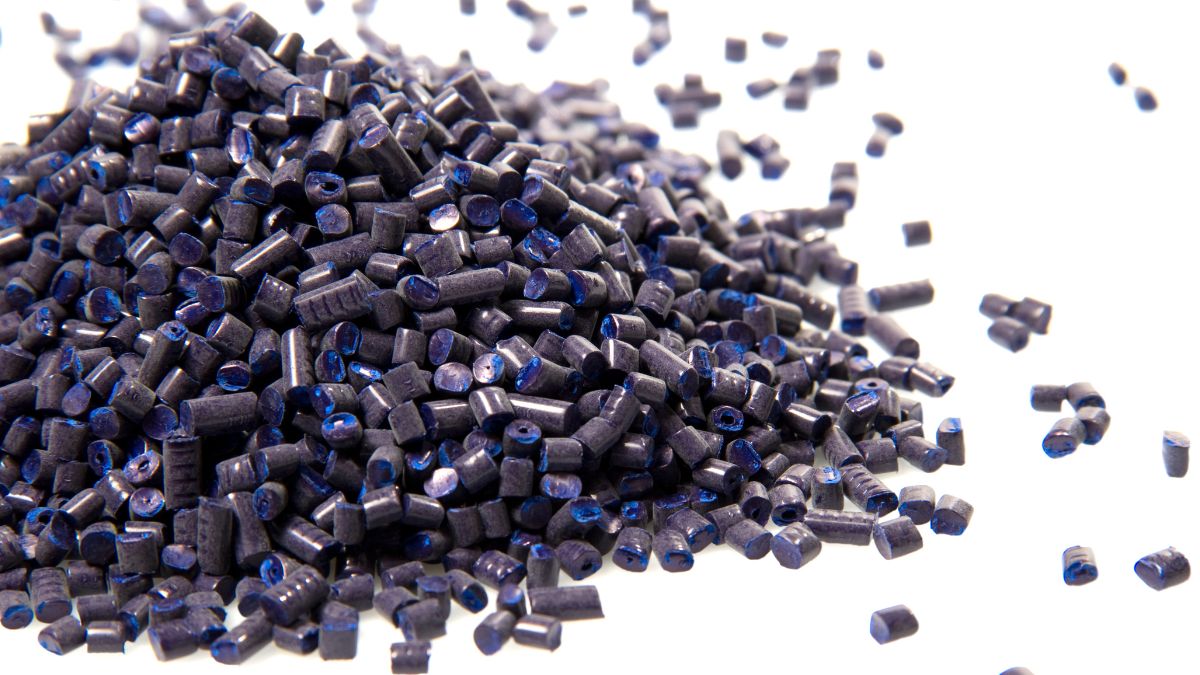
The demand for smaller, lighter, and more efficient electronic devices continues to grow exponentially. This evolution hinges on advancements in materials science, and one area leading the charge is polymer innovation. Polymers, which are long chains of molecules characterized by their versatility, have become indispensable in the electronics industry. Their unique properties, coupled with advancements in polymer engineering, are revolutionizing the way electronic devices are designed, manufactured, and utilized.
The Role of Polymers in Electronics
Polymers are omnipresent in electronics, serving as insulators, substrates, encapsulants, and conductive materials. Traditional materials like metals and ceramics once dominated electronics, but polymers have steadily gained prominence due to their flexibility, lightweight nature, and ease of processing. They play a critical role in:
1. Encapsulation and Insulation: Polymers such as epoxy resins and silicones are widely used to encapsulate electronic components, protecting them from moisture, dust, and other environmental factors. Their excellent insulating properties help ensure device safety and performance.
2. Flexible Electronics: The rise of flexible and wearable devices has been made possible by polymers like polyethylene terephthalate (PET) and polyimides, which are used in flexible circuits and displays. These materials enable devices to bend, fold, or stretch without compromising functionality.
3. Printed Circuit Boards (PCBs): Polymers such as polyimides are essential in PCBs, providing a durable yet flexible substrate for mounting electronic components.
4. Conductive Polymers: Materials like polyaniline and polythiophene are examples of conductive polymers that are making strides in areas like organic light-emitting diodes (OLEDs) and sensors.
Key Innovations Driving the Industry
Polymer innovation is a cornerstone of electronics development. Breakthroughs in polymer chemistry and engineering have paved the way for next-generation materials that address specific challenges in electronics. Key innovations include:
1. High-Performance Polymers: Recent advancements have led to polymers that can withstand extreme conditions. For example, liquid crystal polymers (LCPs) are highly resistant to heat and chemicals, making them ideal for high-frequency communication devices.
2. Biodegradable and Sustainable Polymers: With growing environmental concerns, the development of eco-friendly polymers, such as polylactic acid (PLA) and polyhydroxyalkanoates (PHA), is gaining traction. These materials are being explored for use in disposable electronics and packaging.
3. Conductive and Semiconductive Polymers: Advances in conductive polymers have expanded their use in organic photovoltaics, flexible sensors, and smart textiles. Their ability to conduct electricity while retaining polymer flexibility has opened new possibilities in electronic design.
4. 3D Printing and Additive Manufacturing: The integration of polymers in 3D printing has transformed electronics prototyping and manufacturing. Polymers tailored for additive manufacturing, such as thermoplastic elastomers, are enabling rapid production of complex electronic components. To learn more about these advancements and explore cutting-edge solutions, visit polychemistry.com, a leader in innovative polymer applications for electronics.
Applications Across Industries
Polymer innovation in electronics is driving advancements in multiple sectors:
1. Consumer Electronics: Smartphones, tablets, and wearable devices rely heavily on polymers for lightweight designs and advanced functionalities. For instance, polycarbonate polymers are used in protective casings and OLED screens.
2. Healthcare: Polymers are vital in medical electronics, such as diagnostic sensors, implantable devices, and drug delivery systems. Biocompatible polymers like polymethyl methacrylate (PMMA) ensure safety and effectiveness.
3. Automotive Industry: As vehicles become more technologically advanced, polymers are critical in components such as sensors, displays, and battery housings. Their heat resistance and durability make them suitable for harsh automotive environments.
4. Energy Sector: In renewable energy, polymers are key to the development of lightweight and flexible solar cells and energy storage devices like supercapacitors.
Challenges and Future Prospects
Despite their advantages, polymers in electronics face challenges such as thermal stability, recyclability, and compatibility with existing manufacturing processes. However, ongoing research and development efforts are dealing with these issues:
1. Improving Thermal Stability: Innovations in polymer chemistry are producing materials with enhanced heat resistance, crucial for high-power applications.
2. Recyclability and Circular Economy: Developing polymers that are easier to recycle or degrade can mitigate environmental concerns and align with global sustainability goals.
3. Nanotechnology Integration: The incorporation of nanomaterials, such as carbon nanotubes and graphene, into polymers is creating materials with superior electrical and mechanical properties.
The future of polymer innovation in electronics is bright. Emerging trends like the Internet of Things (IoT), 5G networks, and quantum computing will demand even more sophisticated materials. Polymers, with their adaptability and potential for customization, are well-positioned to meet these demands.